Prepare for your visa interview
Visa interview is an important step prior to the final confirmation of student visa approval for most countries including UK, Australia, South Korea, and Japan. Your interview could fasten or delay your visa processing. Therefore, it is crucial that you prepare for the interview and address all concerns of the visa officer.

NOTE: The officer is a trained professional who could ask multiple unrelated questions, not to annoy you but to understand your real interests and objectives. If you are prepared, you can enjoy this process and the chance to meet someone who opens the door to a new country for you.
Interview Preparation
Destination



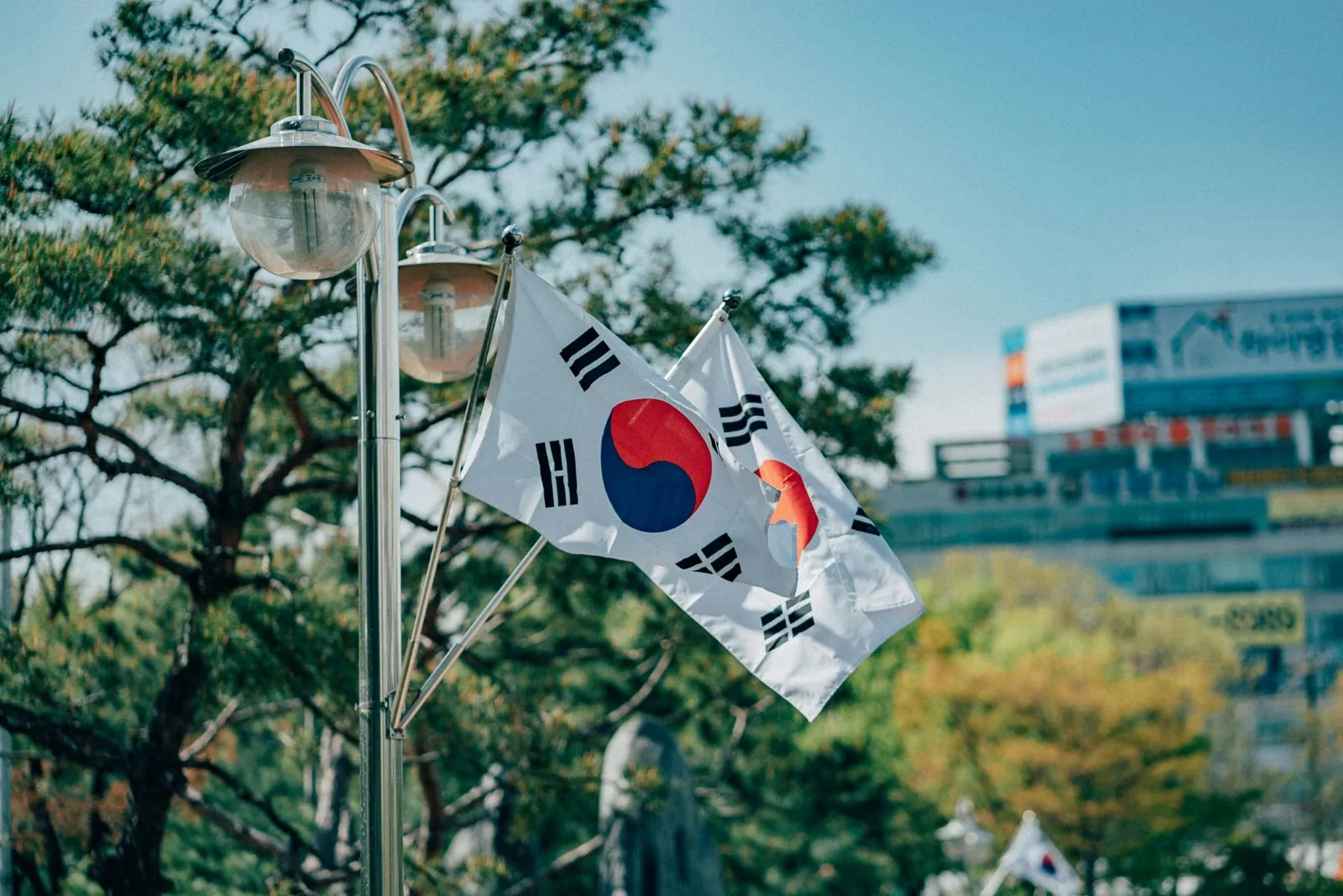
Visa interview tips
Prepare for the interview questions in advance.
Carry a copy of all your documents to the interview.
Dress appropriately for the interview.
Be on time for the interview.
Be courteous, friendly, and polite throughout the interview.
Be confident about yourself, where you applied, and why you chose those institutions.
Give brief and clear answers. If you are unsure, politely ask for the question again and answer thoughtfully.
Go through the website and handbook of your university carefully.
Know your course contents thoroughly, including duration, fees, intake, end date, and credit points.
Be clear about your future plans after completing the course.
Be ready for unexpected questions and stay calm when they come.
Interviews may take 20 to 30 minutes or more, so stay comfortable and patient.
Enjoy the interview.
Preparatory interview questions for the Student Visa Interview:
The interview is taken by the ambassador or visa officer who may ask you a range of questions mainly to ensure that your application case is genuine and your intentions align with what is being written in the application form.
1. Introductory questions
How are you doing?
(This question is usually asked to make you comfortable.)
Have you ever been to the respective country before?
(If yes, remember the date of your last arrival and departure from that country.)
2. Questions on your intention and motivation of study in the respective country
Why do you want to study in the respective country?
(This helps the visa officer check your genuine intention to go there.)
Why did you select this particular university?
(This checks whether you researched your education options seriously.)
Which are the other universities you have applied to?
(This helps show that you planned your education carefully.)
3. Questions on your subject and course
For which course are you going?
(This checks whether you clearly know what you applied for.)
Why did you choose this course?
(This helps show that the course choice is your own and makes sense for your profile.)
Why don't you do this course here in Nepal?
(Explain the difference between the course in Nepal and abroad, especially in terms of practical and theoretical learning.)
What are the course commencement and completion dates?
(Remember the exact start and end date of your course.)
4. Questions on funding for study in the respective country
How are you going to fund your education?
(This checks whether you understand your funds and how you will manage your expenses during the course.)
Who is sponsoring your education?
(Mention scholarship if applicable; otherwise clearly name your sponsors as shown in your financial documents.)
What does your mother or father do?
(Go through tax papers, bank statements, and supporting documents so you can explain your sponsor’s income source confidently.)
What savings does your family have?
(Be sure you know your proofs and financial documents well.)
What is your father's annual income?
(This helps the officer understand whether your sponsor can realistically support your studies.)
How many brothers and sisters do you have?
(This may be asked to understand the balance of family income and expenses.)
Do you have enough funds while you are there?
(Answer confidently and clearly that your educational expenses are covered.)
5. Questions on academic qualifications of the student
What is your undergraduate GPA?
(Convert your percentage into GPA if needed and remember it exactly.)
Can you show me your degree?
(Only show the document that has been asked for.)
Mention some professors' names?
(Mention professors you know and explain your relation or academic connection with them.)
Show me your GRE and TOEFL score?
(Keep all documents in order so you can present them quickly without wasting time.)
6. Questions on student achievements
Tell me something about your past?
(Mention what you were doing from your last school until today, including achievements, skills, and sincerity.)
From where did you do your under graduation?
(Mention the university name, your course, and any strong ranking or reputation if relevant.)
Are you getting any school waiver?
(Mention tuition waivers, assistantships, or other support if you have them.)
Why do you think the university is giving scholarship to you?
(This is usually your chance to point to your academic record, GRE, TOEFL, or overall profile strength.)
7. Questions on awareness of and living arrangements in the respective country
Where do you plan to stay in the respective country?
(Mention the address or the arrangement you have made for your stay.)
Do you have any relative in the respective country?
(Be truthful when answering this.)
Is your brother or sister enjoying there?
(Do not answer in a way that suggests settlement or overstaying intentions.)
What do you plan to do during your vacations?
(Give an answer that shows ties with your family and country rather than work intention.)
What is the location of your university?
(Know the exact location of your university and why it fits your choice.)
8. Questions on future plans
What are your future plans? Do you intend to stay in the respective country?
(Your answer should show clarity, strong ties to Nepal, and a realistic plan for your career or business back home.)
Do you plan to work there?
(Convince the officer that your intention is not to stay permanently and that your family and liabilities are in Nepal.)
What's the difference you can make by doing your course in the respective country?
(Connect your answer to your profile, course, better job opportunities, and future prospects.)
* Respective country is the country where you intend to go for further studies.
Final Preparation
Want Avenue to help you rehearse the interview before the actual call?
We can help you practice your answers, tighten weak areas, and make sure your spoken responses match your application file.

Trusted guidance for study abroad planning, admissions, and visa documentation.
Get updates
WhatsApp for scholarships and deadline alerts.
Study Abroad




Visit Us
Avenue Butwal, Milanchowk
Open live directions and visit our office directly.
Avenue Butwal Education Consultancy
Milanchowk, Butwal
© 2026 Avenue Butwal Education Consultancy, All rights reserved.
Website by Beeplap